
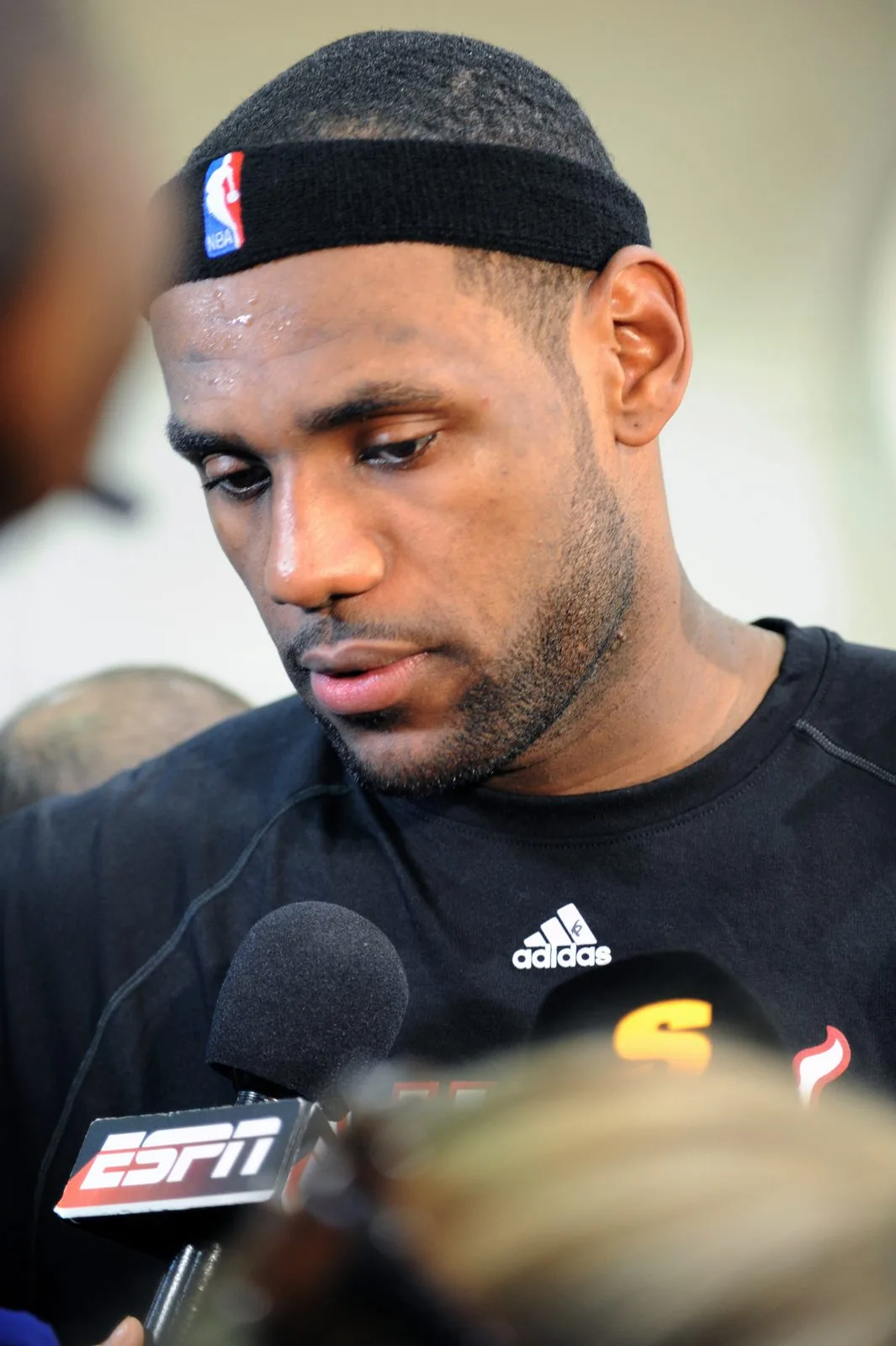
The athlete-as-media-mogul isn't new. Michael Jordan's brand empire, Shaq's business portfolio, and Magic Johnson's investment fund laid the groundwork decades ago. But 2026 represents a fundamental shift: athletes aren't just investing in media — they're operating it.
LeBron James's SpringHill Company has evolved from a production house into a full multimedia enterprise. Travis Kelce's New Heights podcast generates more weekly engagement than most cable news shows. Serena Williams's media ventures span content, commerce, and community in ways that legacy media companies struggle to replicate.
The playbook is clear: leverage your existing audience, own the IP, and build infrastructure that outlasts your playing career. What's different now is the sophistication. These aren't vanity projects or ghostwritten blogs. They're staffed enterprises with editorial standards, distribution strategies, and revenue models.
For traditional media, this presents both a challenge and an opportunity. Athletes bring built-in audiences that no amount of marketing can manufacture. But they also bring expectations of creative control that don't always align with legacy editorial structures.
The winners will be the companies — athlete-owned or otherwise — that understand a simple truth: in 2026, distribution is everywhere, but trust is scarce. Athletes have trust. The question is whether they can scale it without losing it.
At LSMG, we see this trend firsthand. Our clients increasingly want to own their narrative, not rent it. The media company of the future might not look like a media company at all — it might look like a person with a microphone and a plan.
THE AUDIENCE IS THE ASSET
Athlete-owned media works because the founder begins with something traditional publishers spend years trying to build: a community already emotionally invested in the person speaking. That does not automatically create good journalism or entertainment, but it dramatically changes the cost of distribution. An athlete can introduce a new show to millions of people without first asking a network to loan them an audience.
The strategic question is what happens when that audience has to care about subjects beyond the founder. A true media company needs formats, talent, and intellectual property capable of standing on their own. Otherwise the business remains an extension of one person's celebrity rather than an institution that can grow.
CONTROL CHANGES THE INTERVIEW
Athlete-led platforms also change who sets the terms of sports storytelling. Traditional interviews are often built around access granted by teams, leagues, or broadcasters. Player-owned shows can bypass some of those filters, allowing peers to speak with a level of familiarity that produces different stories. The tradeoff is that intimacy and editorial independence are not the same thing.
For LSMG and LEDGERA, that tension is instructive. Talent increasingly wants a direct channel to the audience, but credibility still depends on consistency, production quality, and the willingness to ask questions that are more interesting than promotion.
The long-term opportunity is not merely “athletes with podcasts.” It is athletes learning to own production, distribution, sponsorship inventory, and IP — the same infrastructure that once monetized their stories without giving them a meaningful stake in the company telling them.
ATHLETES ARE LEARNING TO OWN THE FRAME
Traditional sports media decides which questions to ask, which moments become headlines, and how an athlete's personality is packaged for the public. Athlete-owned media changes that relationship by giving players more control over format, timing, tone, and subject matter. A long-form podcast, production company, or direct-to-fan platform can show dimensions of a career that a postgame interview has no room to capture.
Control, however, does not remove the need for credibility. The strongest athlete-led companies become real media organizations when they develop editorial discipline, production quality, repeatable formats, and stories that remain compelling even when the founder is not the subject.
THE BUSINESS CAN OUTLAST THE PLAYING CAREER
Sports careers are unusually compressed. Media ownership offers a way to convert years of audience attention, relationships, and expertise into an enterprise that can continue after competition ends. It also creates opportunities for athletes to produce scripted work, documentaries, live events, branded entertainment, and coverage of other people.
For the broader industry, that means athletes are no longer only rights holders to their own image or guests on someone else's show. They are potential employers, producers, distributors, investors, and competitors for the same audience traditional networks once assumed they owned.