One tennis match is a story. Sixteen courts at once are a programming problem.
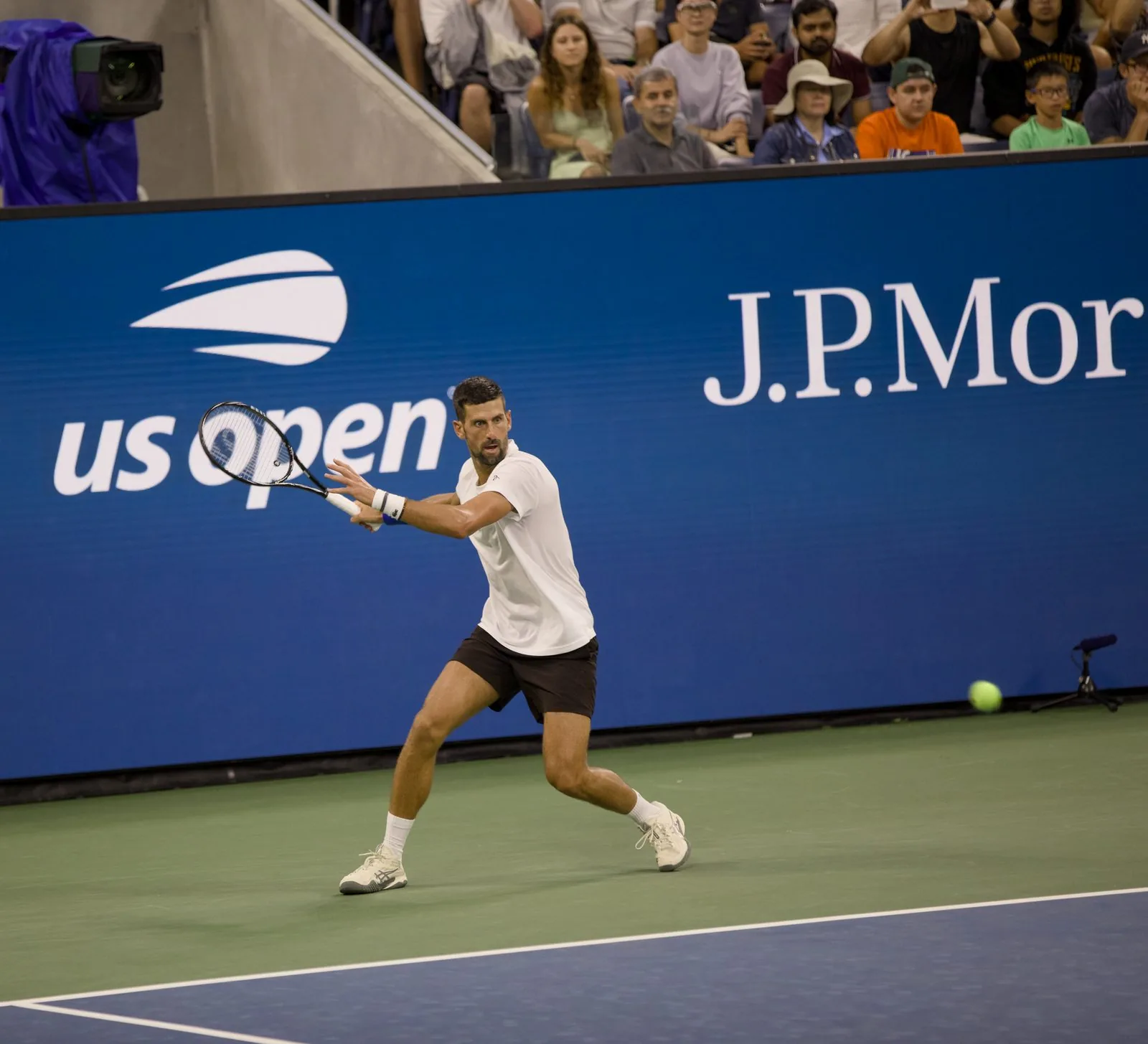
ESPN is trying a distinctly modern answer at the U.S. Open. Reuters reports that the network will launch “RedZone at the U.S. Open” on August 30, a streaming format designed to jump across all 16 courts and surface the biggest points, momentum swings and unexpected matches in real time.
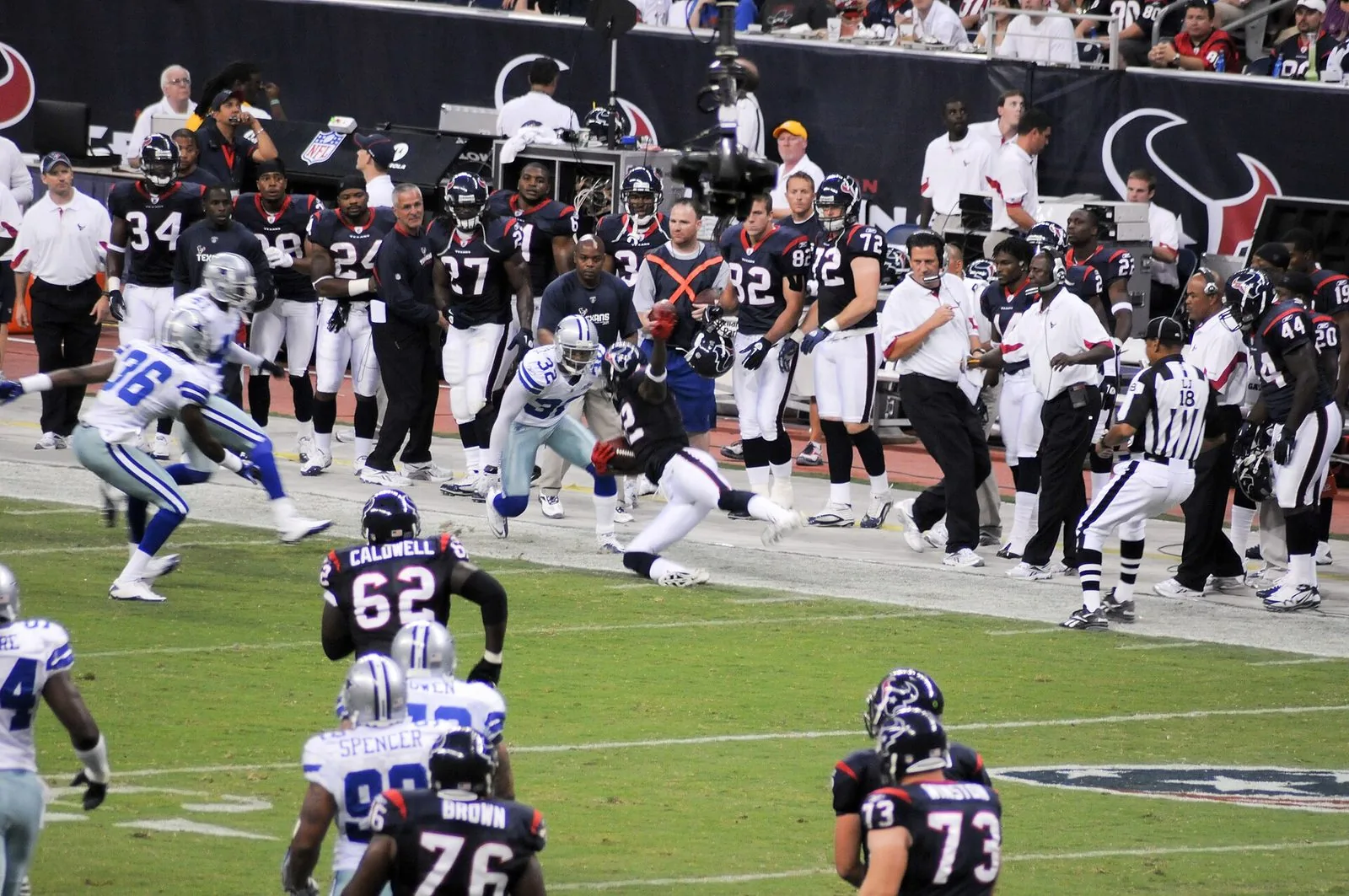
The idea borrows from the logic that made NFL RedZone a television habit: do not ask the viewer to choose one game and hope it stays interesting. Build a control room that chooses the most urgent moment for them.
TENNIS IS PERFECT FOR THIS FORMAT
Early rounds of a Grand Slam create an abundance problem. Major stars can be playing at the same time as rising prospects, seeded players can suddenly be in trouble on outer courts, and a compelling five-set match can develop far from the primary broadcast.
A traditional feed has to commit. A RedZone-style show can move.
According to Reuters, the U.S. Open version will run from August 30 through September 4 and use a dedicated broadcast team to monitor all 16 courts. The editorial challenge will be deciding when to leave a famous name for a lesser-known player who is suddenly one point from an upset.
That is not just sports coverage. It is live curation.
THE FEED IS BECOMING THE PRODUCT
Sports media once assumed viewers would sit with one event for hours. Streaming has changed that behavior. Audiences now follow score alerts, social clips, group chats, betting apps, highlights and live broadcasts at the same time.
The RedZone model accepts that fractured attention instead of fighting it. It packages fragmentation into one product.
For tennis, the format could make the early rounds feel more accessible to casual viewers who do not know which court to open or which player is about to become the story of the day. It could also expose more athletes to a national audience because the show is not locked to the biggest names from first ball to match point.
SPORTS TELEVISION IS BECOMING MORE EDITORIAL
The most interesting part of the experiment is that the broadcaster becomes almost like a live editor. Producers are deciding which moment matters most, how long to stay, when to cut away and what context the viewer needs before the next point.
That creates a different kind of sports storytelling — faster, more selective and closer to the rhythm of a social feed, but still anchored in live competition.
ESPN’s long-term U.S. Open rights agreement gives the network room to test formats like this. Whether viewers adopt it will help answer a bigger question: is the future of live sports one game at a time, or one constantly moving window into everything happening at once?
Reporting source: Reuters, Aug. 29, 2026. Read the Reuters report ↗