Guest: FAULT creative team
Project: FAULT
Archive status: Completed interview / production materials preserved
EDITOR'S ARCHIVE NOTE: LEDGERA's records confirm that the FAULT interview was conducted, but the recovered archive does not contain a clean verbatim transcript suitable for publication. We are not inventing quotes. This feature restores the reporting context, film background, and visual materials that belonged around the conversation.
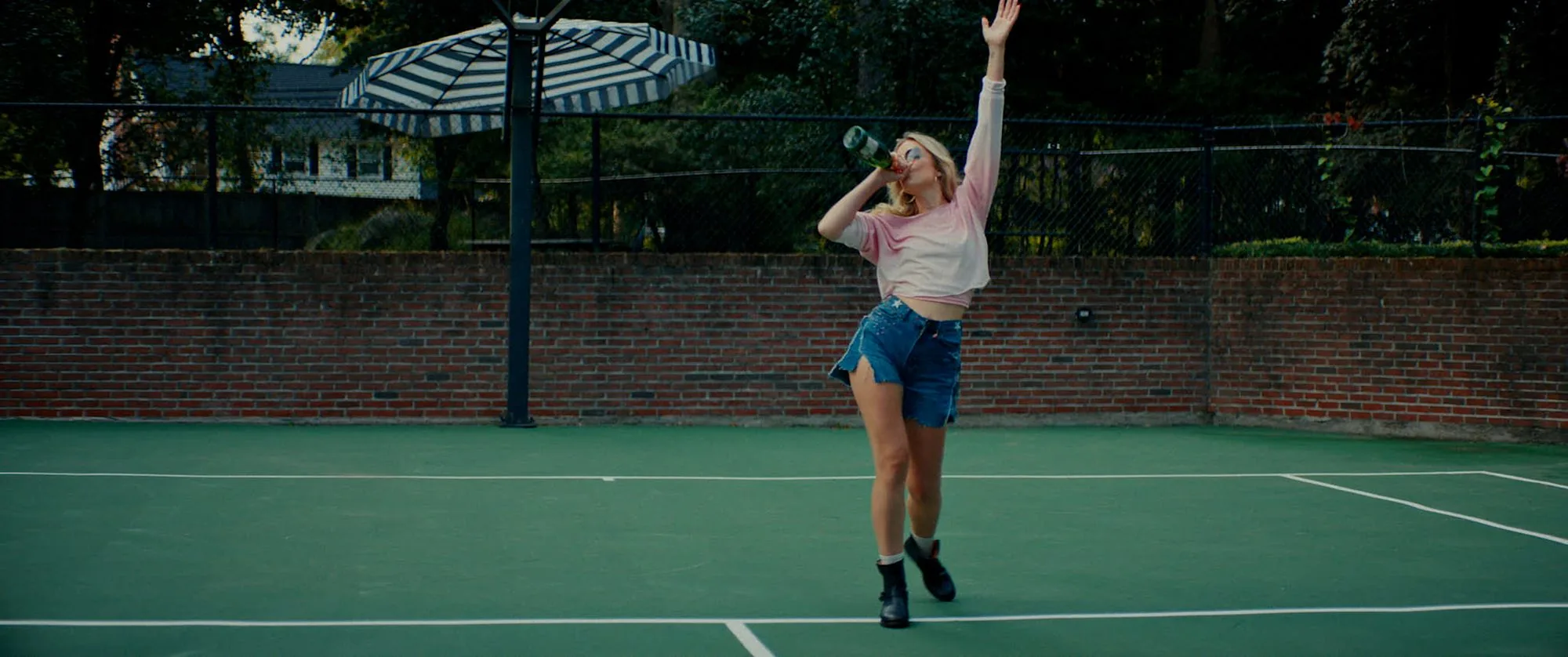
FAULT takes the pressure-cooker logic of elite tennis and asks a harder question than who wins the match: what happens when the person entrusted with an athlete's development becomes the source of harm? Written and directed by Misha Calvert and inspired by the personal experience of lead actress Coco Jourdana, the short follows world-class player Steph as she prepares for the U.S. Open while an unexpected reunion with her estranged sister Gigi forces buried questions about her coach back into the open.
The sports setting matters because high performance can make control look normal. Athletes are trained to accept correction, discomfort, discipline, and sacrifice. FAULT examines the dangerous space where those expectations can be manipulated — and the way professional success can complicate the decision to name abuse when the system producing the success is also implicated in it.
TWO SISTERS, TWO RESPONSES TO TRAUMA
The emotional center of the film is not a tennis match but the collision between Steph and Gigi. They carry different relationships to pain, memory, and survival. That contrast gives FAULT room to reject a single “correct” response to trauma. Silence can be a survival strategy. Anger can be one too. The film is most confrontational when it allows both impulses to exist without turning either woman into a symbol.
POWER, ACCOUNTABILITY, AND THE COST OF SPEAKING
Calvert's project places institutional power beside intimate family conflict. Steph's dilemma is not simply whether to tell the truth; it is whether telling it could destabilize the life she has fought to build. That tension is what makes the story useful beyond sports. Similar dynamics exist anywhere a gatekeeper can influence access, careers, money, reputation, or belonging.
For LEDGERA, the recovered FAULT materials belong in the magazine because they connect film coverage to a broader cultural question: how do industries built around excellence respond when their methods of producing excellence cause damage? The answer cannot be reduced to a slogan, which is exactly why the story deserves more than the two-line placeholder that previously lived here.
PRODUCTION STILLS


THE INTERVIEW AS PRIMARY SOURCE
Because the archive confirms this conversation was conducted, FAULT belongs to a different category from the scheduled dossiers elsewhere in this section. A completed interview is primary-source material: it captures language, emphasis, and perspective that can support future profiles and reporting long after the initial promotional cycle has ended.
That is also why supplied press stills matter. Images, correspondence, and the conversation itself form a small reporting record that can be revisited when the project or participants return to the cultural conversation. The website should make that reporting visible rather than reduce it to a sentence announcing that an interview happened.
FROM PRESS MOMENT TO PERMANENT FEATURE
LEDGERA's goal is to turn completed access into an enduring editorial destination. The strongest interview pages should eventually hold the context that brought the conversation together, the clearest ideas that emerged from it, properly attributed excerpts where available, and the visual material that helps readers understand the work.
This expanded archive entry establishes that structure while respecting what can currently be verified. It is designed to grow with additional approved transcript material rather than being replaced by another URL when the next stage of the feature is ready.